• ニセコ雪崩情報第104号 Niseko Avalanche Info No.104

    ニセコ雪崩情報 第104号

    Niseko Avalanche Information No.104

    Friday 20/03/2026 金曜日

    山麓-3度降雪昨夜5cm静穏 モイワ800m-5.6度西北西5.0m雪庇発達 アンヌプリ1100m-8.3度西北西3.9m雪庇ふきだまり発達 ビレッジ1000m-6.9度北北西2.0m ヒラフ花園1000m-7.9度北4.1m 花園800m-4.7度北北東2.4m 海上弁慶岬北北西8m 神威岬西北西4m気圧1013hPa波高不明、

    昨日午後の降雪はやや強く標高700mで約10cm、その後夜半の強風で浅いふきだまりとして発達、せっかくの新雪なので各ゲートは開ける予定、ただし事故防止のため午前中のみとなる。午後から天候が急変する。パトロールに従うこと。全層雪崩の危険は引き続き高い。谷底にいないこと。最近ニセコルールを対象とし、それを学位論文(博士論文)にまとめたものが届いたので読んだ。論文の要旨は主にヨーロッパと日本との比較であり、関係者への聞き取りや利用者へのアンケート調査をもとにまとめられている。しかしルールが生まれた経緯が多くの部分で誤解され、なによりも矮小化されているのが気になる。書かれたものは一人歩きする。研究者の意見とその影響力はメディアとともに大きい。この論文にはニセコルールが必要から生まれたこと、滑走の自由の尊重と事故防止という、相反する目的を両立させるために作られたものであることへの理解不足があるように思える。人への理解を広い視野から持つべきだと思う。

    Moiwa base 6am: -3℃, 5cm new snow, calm. Moiwa 800m: -5.6℃, WNW5.0m/s, cornice development. Annupuri 1100m: -8.3℃, WNW3.9m/s, cornice and snowdrift devlopment. Village 1000m: -6.9℃, NNW2.0m/s. Hirafu Hanazono 1000m: -7.9℃, N4.1m/s. Hanazono 800m: -4.7℃, NNE2.4m/s. Coastal data: Benkei Cape NNW8m/s, Kamui Cape WNW4m/s, 1013hPa, wave n/a.

    Yesterday afternoon’s snowfall was moderately heavy, about 10cm at 700m. Then strong winds overnight then developed shallow drifts. Since it’s fresh snow, all gates are expected to open. However, the weather will rapidly deteriorate in the afternoon and the gates will close early to prevent accidents. Please follow patrol instructions. The risk of full-depth avalanches remains high. Do not stop in the valley bottom. I recently received a doctoral thesis focusing on the Niseko Rules. The paper mainly compares Europe and Japan, and is based on interviews with stakeholders as well as surveys of users. However, I am concerned that in many respects the background behind how these rules were created has been misunderstood, and above all, oversimplified. Once something is written, it can take on a life of its own. The opinions of researchers—and their influence—are significant, especially when amplified by the media. This thesis seems to lack an understanding that the Niseko Rules were born out of necessity, and that they were designed to balance two opposing goals: respecting freedom on the slopes while also preventing accidents. I believe it is important to approach an understanding of people from a broader perspective.

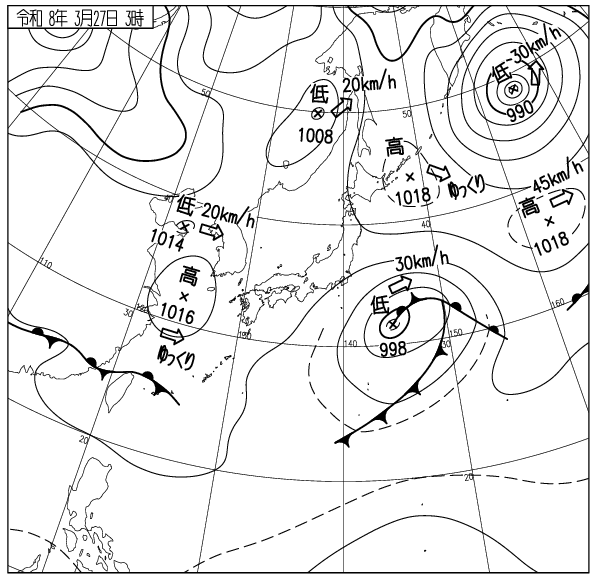
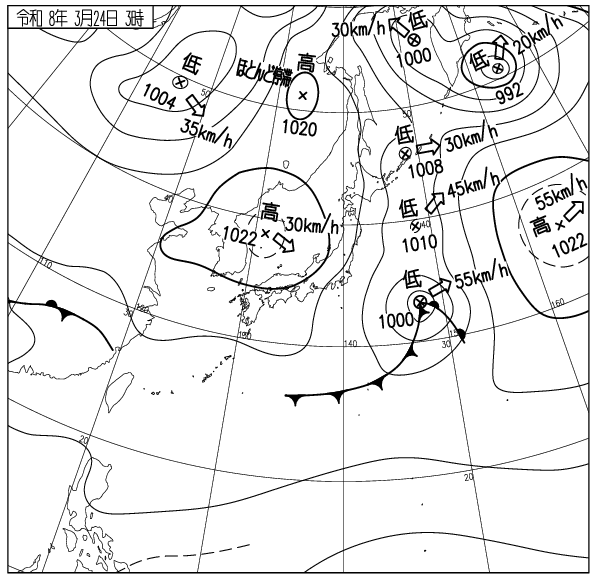
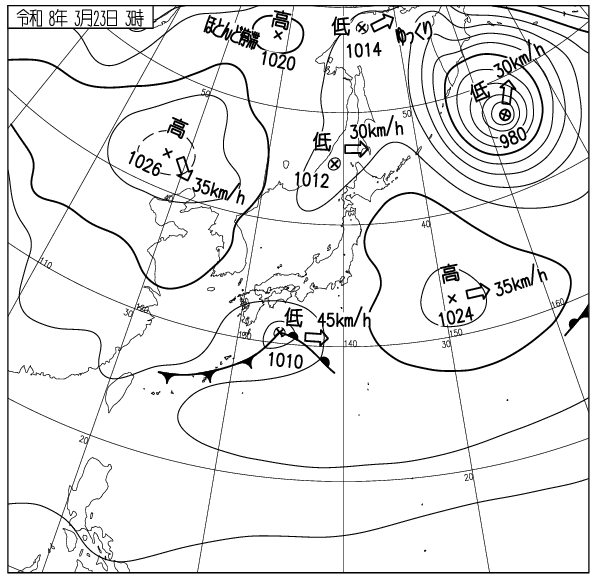
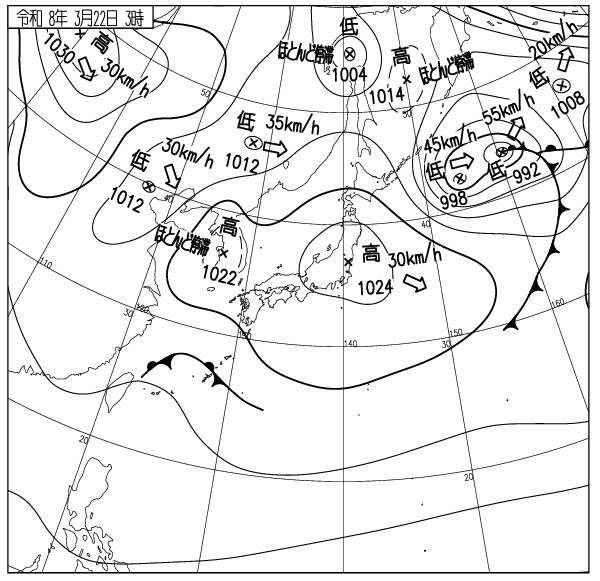
    出典 Source:気象庁 JMA website (www.jma.go.jp/bosai/weather_map/)

    この情報はコース外滑走の安全を保障する物ではありません This information is not to guarantee the safety of out of bounds riding. ニセコルールを守りましょう Please respect the Niseko Rules. レスキューはコース内が優先されます Inbounds rescue will be prioritised. コース外へは自己責任で Step out of bounds at your own risk.

    ニセコ雪崩調査所 Niseko Avalanche Institute

  • ニセコ雪崩情報第103号 Niseko Avalanche Info No.103

    山麓-1度凍結 モイワ800m-1.9度東南東2.6m アンヌプリ1100m-4.3度南東1.7m ビレッジ1000m-2.9度南南西3.6m ヒラフ花園1000m-3.5度北10.9m 花園800m-0.5度北北東9.3m 日本海弁慶岬南9m 神威岬東北東3m気圧1008hPa波高不明、

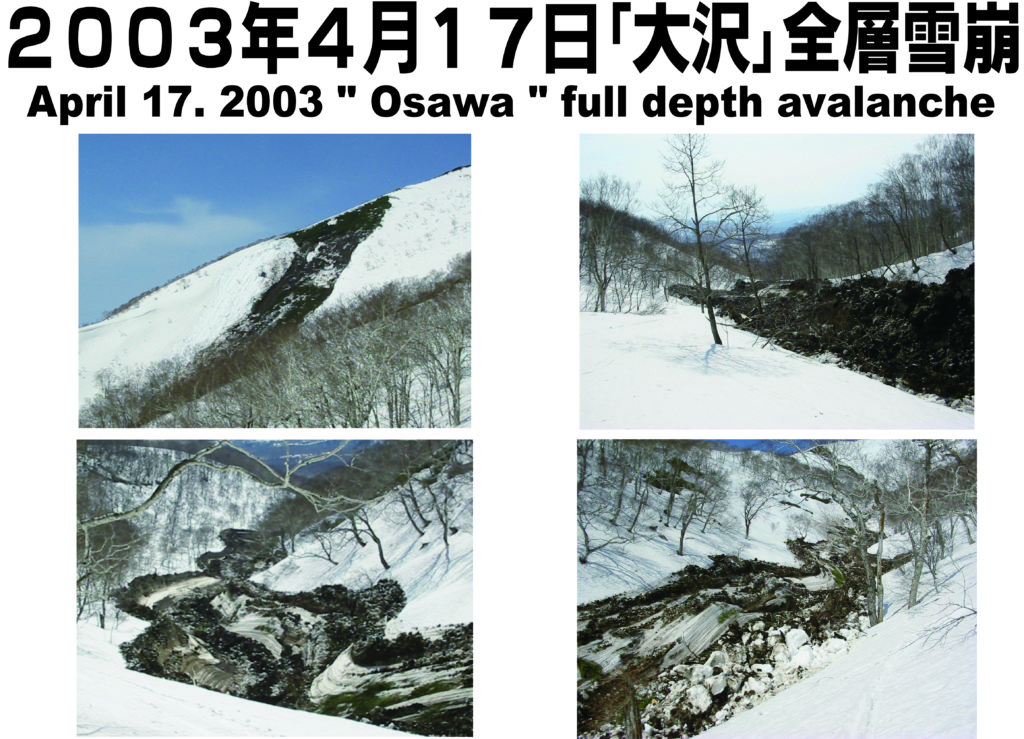
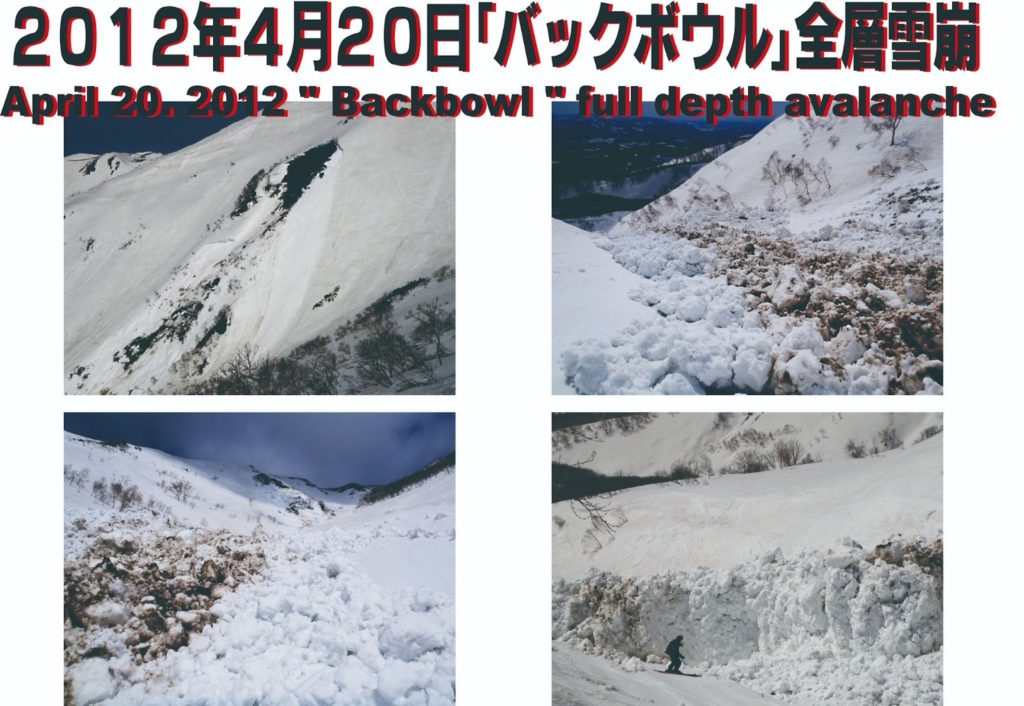
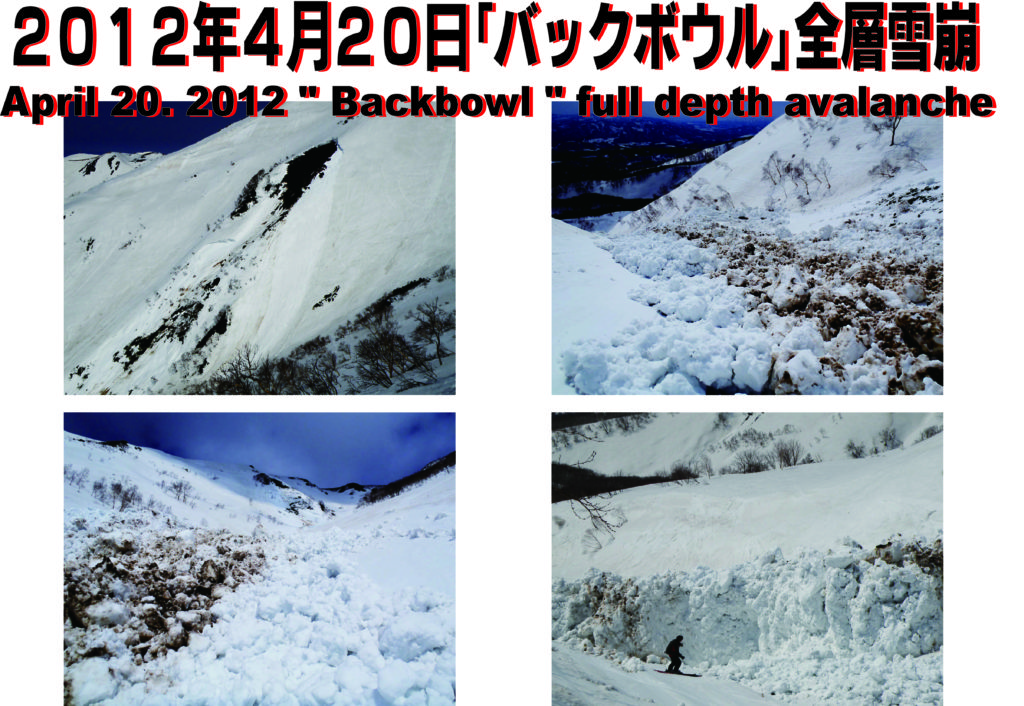
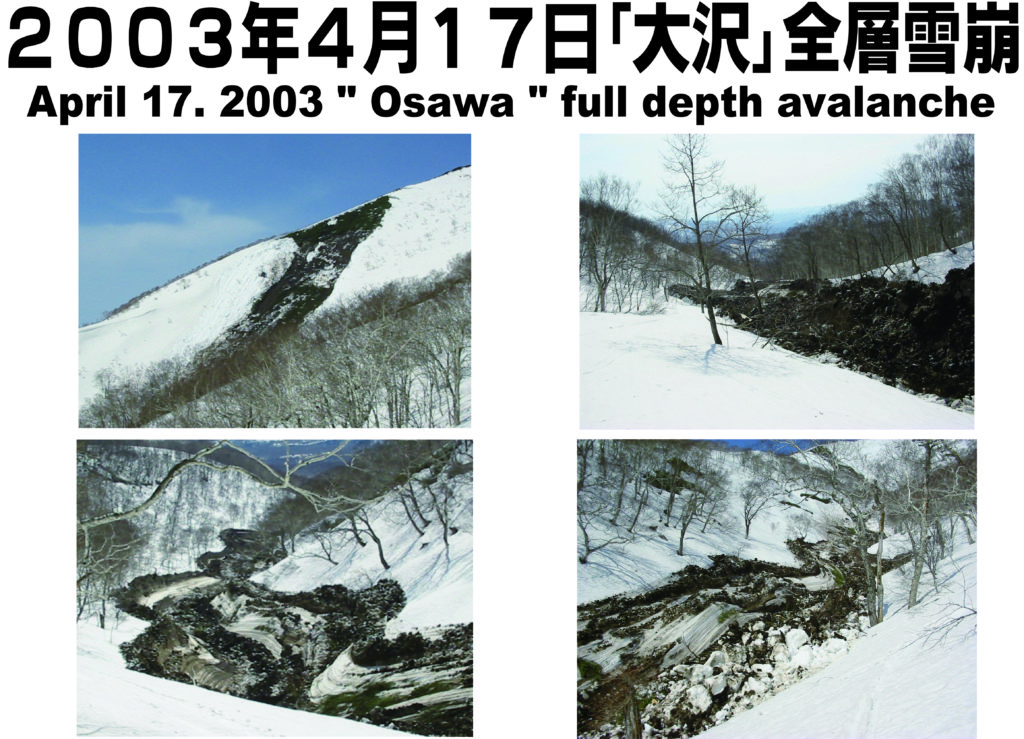
    太平洋側に低気圧が北上しており大気が不安定、標高700m以上は寒気流入が続いているがヒラフ山頂を除き風は弱い。山は山麓まで凍っている。リフト運行によるがゲート開閉は未定、パトロール判断に従うこと。多雪地帯のニセコでは春になると鉱山の沢(バックボウル)、アンヌプリ大沢、モイワボウル、見返りボウルで地表からの全層雪崩が起こる。西尾根五色側でも道道に達する雪崩が起こることがある。ここはスキー場でありルールを定めてコース外滑走を容認しているが、危険と判断する日にはゲートを閉じる。判断は朝5時の観測と各地点の数値、各パトロールの意見を基に行われる。もしゲートが開いている時に事故が起きたらどうするのかとよく聞かれるが、その時はごめんなさいと謝るしかない。他にもっと良い方法があるとは思う。しかしニセコはこの方法で冬の事故を防いできた。富良野方面の山岳遭難の捜索と救助にあたってこられた北海道警察の松本さんが道南の森町に移動になると聞いた。長年のご苦労に敬意を表すとともに深く感謝したい。

    Mountain base: -1°C, frozen. Moiwa 800m: -1.9°C, ESE 2.6m/s. Annupuri 1100m: -4.3°C, SE 1.7m/s. Niseko Village 1000m: -2.9°C, SSW 3.6m/s. Hirafu Hanazono 1000m: -3.5°C, N 10.9m/s. Hanazono 800m: -0.5°C, NNE 9.3m/s. Sea of Japan Benkei Cape: S 9m/s. Kamui Cape: ENE 3m/s, 1008hPa, wave height unknown.

    A low-pressure system is moving north along the Pacific side, making the atmosphere unstable. Cold air continues to flow in above 700m, but winds remain light except at the Hirafu summit. The mountain is frozen down to the base. Gate openings are TBD depending on lift operations; please respect the judgment of the ski patrol. In the heavy-snow region of Niseko, springtime brings a high risk of large-scale full-depth avalanches sliding off the ground in areas like Kozan-no-sawa (Backbowl), Annupuri Osawa, Moiwa Bowl, and Mikaeri Bowl. Slides on the West Ridge sometimes reach the prefectural road. While we allow out-of-bounds skiing under the Niseko Rules, we close the gates on days deemed too dangerous. This decision is not arbitrary; it is based on a comprehensive assessment at 5:00 AM using field observations, site-specific data, and the professional judgment of the ski patrol. We are often asked what we would do if an accident occurred while the gates were open; in that case, we can only offer our sincerest apologies. While there may be better methods, Niseko has successfully prevented winter accidents using this approach. We have heard that Mr. Matsumoto of the Hokkaido Police, who has long been dedicated to search and rescue in the Furano mountains, is transferring to Mori Town in southern Hokkaido. We wish to express our deep respect and gratitude for his many years of hard work.

    出典 Source:気象庁 JMA website (www.jma.go.jp/bosai/weather_map/)

  • ニセコ雪崩情報第102号 Niseko Avalanche Info No.102

    山麓-5度降雪なく晴れ モイワ800m-4.6度北北西1.2m アンヌプリ1100m-6.5度西南西5.5m ビレッジ1000m-5.5度西北西1.7m ヒラフ花園1000m北3.3m降雪なく視界良 花園800m-2.5度北北東2.3m 日本海弁慶岬南西2m 神威岬南南西9m気圧1020hPa波高不明、

    高圧帯の中で等圧線幅広く海上、山ともに穏やか。日中は気温があがり融雪が進む。昨日午後のストップ雪は再結晶して滑りやすくなっている。標高800m以下で全層雪崩の危険が高まっている。全層雪崩は亀裂で予測できると言われているが亀裂発生と同時に起こることがあり、この場合の破壊力は大きい。事故を避けるめ谷底にとどまらず危険地帯の横断は一人ずつ行うこと。モイワ6番以外の各山頂ゲートは開けられる。6番は未定、パトロールの指示に従うこと。3月も半ばを過ぎたが山はいつでも冬に逆戻りする。事故は急な降雪など悪天候下で起こる。山に入る時は準備を整え常に用心を。このスポーツに安全はない。知恵と用心だけが事故を防ぐ。ビーコンは義務ではないが持つことを強く勧める。プローブやショベル、ショートロープはあるか? 天気は良いが天候急変に注意。

    Mountain base: -5°C, no snowfall, sunny. Moiwa 800m: -4.6°C, NNW 1.2m/s. Annupuri 1100m: -6.5°C, WSW 5.5m/s. Niseko Village 1000m: -5.5°C, WNW 1.7m/s. Hirafu Hanazono 1000m: N 3.3m/s, no snowfall, good visibility. Hanazono 800m: -2.5°C, NNE 2.3m/s. Sea of Japan Benkei Cape: SW 2m/s. Kamui Cape: SSW 9m/s, 1020hPa, wave height unknown.

    The isobaric spacing is wide under a high-pressure system. Both the sea and the mountains are calm. Temperatures will rise during the day, accelerating snowmelt. Yesterday afternoon’s sticky snow has recrystallized and is now faster. The risk of full-depth glide avalanches is increasing below 800m elevation. While it is said that glide avalanches can be predicted by cracks, they sometimes occur the moment a crack forms, and in such cases, the destructive power is immense. To avoid accidents, do not linger at the bottom of gullies, and cross dangerous zones one person at a time. All summit gates except Moiwa Gate 6 will open. Gate 6 is TBD; follow the instructions of the ski patrol. Although we are past mid-March, the foul weather conditions. Be well prepared and always remain cautious when entering the backcountry. There is no such thing as absolute safety in this sport. Only wisdom and caution prevent accidents. Beacons are not mandatory, but carrying one is strongly recommended. Are you carrying a probe, shovel, and short rope? The weather is good now, but stay alert for sudden changes.

    出典 Source:気象庁 JMA website (www.jma.go.jp/bosai/weather_map/)

  • ニセコ雪崩情報第101号 Niseko Avalanche Info No.101

    山麓-2度風弱く降雪3cm モイワ800m-5.7度西北西1.7m降雪3-10cm アンヌプリ1100m-7.6度西北西4.3m降雪5cm ビレッジ800m-6.3度北北西2.4m ヒラフ花園1000m-7.1度北8.0m時折突風降雪3cm 花園800m-4.7度東北東3.4m降雪3cm 日本海弁慶岬南5m 神威岬北西4m気圧1020hPa波高不明、

    上空に寒気が入り朝まで3-10cmの降雪、開けた標高差のある急斜面では浅い表層雪崩に注意。主なゲートは開けられる見込み、パトロールの指示に従い、意見を聞いてコース外へ出る事、外はスキー場のコースではない。モイワ6番はモイワボウルとバックボウル下部、標高800m以下での全層雪崩の危険があるため閉じられる。ロープを越えてコース外へ出てはならない。ニセコルールは過去の事故多発の体験をふまえ、スキー場コース外の事故防止のために定められた。利用者はここにルールがあること、ルールを守る義務があることを知らねばならない。スキー場もまたロープ監視やゲート管理に責任がある。スキー場外は国有林や道有林であり、国や道など地権者は場外の事故に責任を負わない。コース外滑走を認める以上、スキー場の責任は大きい。亀裂が新雪に隠れている。亀裂は上からは見えない。注意。昼前に気温が上がり標高700m以下の雪はストップ雪となる。転倒衝突に注意。安易に初心者をコース外に連れ出してはならない。ビーコンは義務ではないが持つことを勧める。プローブやロープ、ショベルとショートロープも忘れずに。

    Mountain base: -2°C, light wind, 3cm snowfall. Moiwa 800m: -5.7°C, WNW 1.7m/s 3-10cm snowfall. Annupuri 1100m: -7.6°C, WNW 4.3m/s, 5cm snowfall. Niseko Village 800m: -6.3°C, NNW 2.4m/s. Hirafu Hanazono 1000m: -7.1°C, N 8.0m/s, gusts of wind at times, 3cm snowfall. Hanazono 800m: -4.7°C, ENE 3.4m/s, 3cm snowfall. Sea of Japan Benkei Cape: S 5m/s. Kamui Cape: NW 4m/s, 1020hPa, wave height unknown.

    Cold air is moving in, bringing 3–10 cm of snowfall through the morning. Be cautious of shallow surface avalanches on open, steep slopes with significant elevation changes. Most gates are expected to open. Follow patrol’s instructions and seek guidance before going out of bounds; areas outside the designated ski runs are not part of the resort. Moaiwa No. 6 gate will be closed due to the risk of full-depth avalanches in the Moaiwa Bowl, the lower part of Back Bowl, and slopes below 800 meters in elevation. Do not duck the ropes to go off-pieste. The Niseko Rules were established to prevent accidents outside the ski resort’s designated courses, based on past experiences of frequent accidents. Users must be aware that these rules exist and that they have an obligation to follow them. The ski resort is also responsible for rope monitoring and gate management. Areas outside the ski resort are national or prefectural forests, and landowners such as the national and prefectural governments are not liable for accidents occurring outside the resort. Since out of bounds skiing is permitted, the ski resort bears significant responsibility. Cracks are hidden beneath fresh snow. Cracks are not visible from above. Caution. As temperatures rise before noon, snow below 700 meters in elevation becomes unstable. Be careful of falls and collisions. Do not casually take beginners off-piste. While a beacon is not mandatory, carrying one is recommended. Do not forget your probe, rope, shovel, and short rope.

    出典 Source:気象庁 JMA website (www.jma.go.jp/bosai/weather_map/)

  • ニセコ雪崩情報第100号 Niseko Avalanche Info No.100

    山麓-1度降雪なし凍結 モイワ800m-3.6度西北西4.6m アンヌプリ1100m-6.6度西3.5m ビレッジ1000m-5.4度西北西1.4m ヒラフ花園1000m-6.0度北2.0m 花園800m-2.7度北北東3.4m 日本海弁慶岬北北西8m 神威岬西6m気圧1019hPa波高不明、

    気圧の傾きゆるく海上、山ともにおだやか、寒気流入。主なゲートは開けられる。リスクを理解してコース外に出ること。外はスキー場ではない。ニセコルールを知らず、あるいは軽視してロープを越える人が再び増えている。立ち入り禁止区域に入ってはならない。コース脇のロープをくぐってはならない。現在、全ての南に面した谷で全層雪崩の危険が高まっている。事故を避けるため谷底の滑走を控えること。気温が上昇して融雪が進む標高800m以下では特に注意。過去に禁止区域湯の沢を滑っていた若者が午後4時過ぎに側壁からの雪崩に埋まり、6月まで出てこなかったことがある。自然は人種や国籍、経験の有無を問わず失敗に手厳しい。知恵深い行動を。このスポーツは楽しいが時に人の命を奪う。

    Mountain base: -1°C, no snowfall, frozen. Moiwa 800m: -3.6°C, WNW 4.6m/s. Annupuri 1100m: -6.6°C, W 3.5m/s. Niseko Village 1000m: -5.4°C, WNW 1.4m/s. Hirafu Hanazono 1000m: -6.0°C, N 2.0m/s. Hanazono 800m: -2.7°C, NNE 3.4m/s. Sea of Japan Benkei Cape: NNW 8m/s. Kamui Cape: W 6m/s, 1019hPa, wave height unknown.

    The pressure gradient is loose, and both sea and mountain are calm with cold air flowing in. Major gates will open. Understand the risks before heading out-of-bounds; the area outside is not a ski resort. We are seeing a resurgence of people crossing ropes who either do not know or disregard the Niseko Rules. Do not enter strictly prohibited areas. Do not duck the ropes along the courses. Currently, the risk of full-depth glide avalanches is high in all south-facing valleys. To avoid accidents, refrain from skiing in the gully bottoms. Use particular caution below 800m, where rising temperatures are accelerating snowmelt. In the past, a young man skiing in the prohibited Yunosawa area after 4:00 PM was buried by an avalanche from the sidewall; he was not found until June. Nature is unforgiving of mistakes, regardless of race, nationality, or experience. Act wisely. This sport is fun, but it can sometimes take a life.

    出典 Source:気象庁 JMA website (www.jma.go.jp/bosai/weather_map/)

  • ニセコ雪崩情報第99号 Niseko Avalanche Info No.99

    ニセコ雪崩情報 第99号

    Niseko Avalanche Information No.99

    Sunday 15/03/2026 日曜日

    山麓0度降雪なし モイワ800m-4.3度北4.1m アンヌプリ1100m-6.5度西北西4.3m ビレッジ1000m-5.3度北風速不明 ヒラフ花園1000m-6.5度北6.8m 花園800m-4.2度北0.7m 日本海弁慶岬北北西4m 神威岬西南西2m気圧1021hPa波高不明、

    海上、山ともに風弱く降雪わずか、天気も良い。新雪の表層雪崩リスクはないが以下の場所で全層雪崩リスクが上がっている。鉱山の沢(バックボウル)、大沢雪庇面標高1100m、モイワボウル及び見返り側壁標高700m、西尾根五色側標高900m南西斜面。事故を避けるため谷底にいないこと、亀裂が入っている斜面に近づかないこと、亀裂斜面の下にいないこと。亀裂の下に横方向の皴がはいっている斜面はさしあたっての危険はないが、皴のない面、または縦に割れている斜面は崩落が近いので注意。雪庇崩壊にも注意、雪庇は観光バス並みに重い。各山頂ゲートは開けられる。パトロールの注意に耳を傾けること。ゲートの外はスキー場ではない。自分の身の安全を考えてゲートから出ること。安易にコース外に出ると迷子になる。安全装備や非常食を持つこと。自然はそれほど優しくない。常に用心を。

    Moiwa base 6am: 0℃, no snowfall. Moiwa 800m: -4.3℃, N4.1m/s. Annupuri 1100m: -6.5℃, WNW4.3m/s. Village 1000m: -5.3℃, N wind speed n/a. Hirafu Hanazono 1000m: -6.5℃, N6.8m/s. Hanazono 800m: -4.2℃, N0.7m/s. Coastal data: Benkei Cape NNW4m/s, Kamui Cape WSW2m/s, 1021hPa, wave n/a.

    Light winds at sea and on the mountains, no snowfall and the weather is good. There is no risk of fresh snow surface avalanches, but the risk of full-depth avalanches is increased in the following locations: Kozan no Sawa (Back Bowl), Osawa cornice face (1100m), Moiwa Bowl(700m), Mikaeri side wall (700m) and the SW slope of West Ridge (900m) on the Goshiki side. To avoid accidents, do not go into the bottom of valleys and gullies, do not get onto or under slopes with cracks. Slopes with horizontal wrinkles below cracks are not immediately dangerous, but slopes without wrinkles or with vertical cracks are prone to collapse, be careful. Also be careful around cornices, they can collapse and the chunks can be as big and heavy as a tour bus. Peak gates are expected to be open. Please listen to the patrol’s instructions. The areas outside the gates are not part of the ski resort. Think about your own safety before leaving the gates, it’s easy to get lost out there. Carry safety equipment and emergency food. Nature is not so kind. Always be cautious.

    出典 Source:気象庁 JMA website (www.jma.go.jp/bosai/weather_map/)

    この情報はコース外滑走の安全を保障する物ではありません This information is not to guarantee the safety of out of bounds riding. ニセコルールを守りましょう Please respect the Niseko Rules. レスキューはコース内が優先されます Inbounds rescue will be prioritised. コース外へは自己責任で Step out of bounds at your own risk.

    ニセコ雪崩調査所 Niseko Avalanche Institute

  • ニセコ雪崩情報第98号 Niseko Avalanche Info No.98

    ニセコ雪崩情報 第98号

    Niseko Avalanche Information No.98

    Saturday 14/03/2026 土曜日

    山麓-1度風よわく降雪わずか モイワ800m-3.2度東北東4.4m  アンヌプリ1100m-5.1度北北東6.5m ビレッジ1000m-4.0度北北東10.9m ヒラフ花園1000m-4.6度北9.9m降雪5cm 花園800m-2.8度北3.6m 日本海弁慶岬北東8m 神威岬東北東4m気圧1025hPa波高不明、

    千島列島の低気圧から吹く北東風が依然強く標高1000m以上に浅いふきだまりが発達、バックボウルなどの開けた急斜面ではクラスト破壊の浅い表層雪崩が起こる可能性がある。魔法の絨毯と呼ばれるこの雪崩に乗ると高速で谷底に運ばれ硬いデブリに埋められる。各所で全層雪崩の危険が高まっている。特に標高800m以下の各スキー場連絡通路法面、見返り及びモイワボウル、立ち入りが規制されているヒラフスーパーコースでは注意。全層雪崩は亀裂から予測できるが亀裂発生と同時に雪崩れることがある。利用者の事故防止のため主な山頂ゲートは閉じられる。パトロールの意見を聞くこと。春への移行期のこの時期には様々な危険がある。山に入る時は間隔をあけて歩くこと、谷底や斜面下で休憩しないこと、増水し始めた沢への転落に注意、スノーブリッジ下に流されると救助困難、ビーコンとともに8mm/15m程度のショートロープの携行を勧める。立ち入り禁止区域春の滝、湯の沢、モイワアンベツ谷と閉鎖されている水野の沢には絶対に入ってはならない。ルールの尊重を。ガイドやツアーリーダーには安全に対する大きな責任がある。

    Moiwa base 6am: -1℃, light wind, trace new snow. Moiwa 800m: -3.2℃, ENE4.4m/s. Annupuri 1100m: -5.1℃, NNE6.5m/s. Village 1000m: -4.0℃, NNE10.9m/s. Hirafu Hanazono 1000m: -4.6℃, N9.9m/s, 5cm new snow. Hanazono 800m: -2.8℃, N3.6m/s. Coastal data: Benkei Cape NE8m/s, Kamui Cape ENE4m/s, 1025hPa, wave n/a.

    Strong northeasterly winds blowing from the low-pressure system over the Kuril Islands are causing shallow snowdrifts development above 1000m. Shallow surface avalanches due to crust failure are possible on open, steep slopes like Back Bowl. If caught in these avalanches, sometimes called “magic carpets,” you are carried at high speed to the valley floor and buried in hard debris. The risk of full-depth avalanches is increasing around the mountain. Particular caution is advised on the slopes by run outs between ski resorts below 800m, eg: Mikaeri and Moiwa Bowl, and Hirafu Super Course, where entry is restricted. Full-depth avalanches can be predicted from cracks, but avalanches can occur instantaneously when cracks appear. The main peak gates will be closed to prevent accidents. Please listen to the patrol’s advice. There are many dangers during this transition to spring. When entering the mountains, walk with sufficient distance between your party, do not rest in valley bottoms or at the bottom of possible avalanche slopes. Be careful not to fall into swollen streams, rescue is difficult if you are swept away under a snow bridge. It is recommended to carry a short 8mm x 15m rope along with your beacon. Never enter the restricted areas of Harunotaki, Yunosawa, Moiwa Anbetsu, or the closed Mizunosawa area. Respect the rules. Guides and tour leaders have a great responsibility for safety.

    出典 Source:気象庁 JMA website (www.jma.go.jp/bosai/weather_map/)

    この情報はコース外滑走の安全を保障する物ではありません This information is not to guarantee the safety of out of bounds riding. ニセコルールを守りましょう Please respect the Niseko Rules. レスキューはコース内が優先されます Inbounds rescue will be prioritised. コース外へは自己責任で Step out of bounds at your own risk.

    ニセコ雪崩調査所 Niseko Avalanche Institute

  • ニセコ雪崩情報第97号 Niseko Avalanche Info No.97

    ニセコ雪崩情報 第97号

    Niseko Avalanche Information No.97

    Friday 13/03/2026 金曜日

    山麓-1度夜半風強くふきだまり発達降雪わずか モイワ800m-5.0度東7.2mふきだまり発達降雪わずか アンヌプリ1100m-7.0度北北東6.0m ビレッジ1000m-5.8度北北東13.6m ヒラフ花園1000m-6.4度北13.1m 花園800m-4.3度北5.4m 日本海弁慶岬東北東7m 神威岬東北東5m気圧1025hPa波高不明、

    上空は北寄りの風が強くリフト運行困難、各山頂ゲートは事故防止のため閉じられる。雪の量は少ないが飛雪によるふきだまりが発達、雪庇は薄く伸びて破断しやすい。ふきだまりが40cmを越えた開けた急斜面では弱線破断による雪崩に注意、風に叩かれてクラストした標高差のある急斜面では高速の浅い表層雪崩(魔法の絨毯なだれ)に注意、アンヌプリボウル、バックボウル、モイワ見返りボウルでは全層雪崩に注意。事故を防ぐため谷底にいてはならない。春への移行期の現在は様々な雪崩の可能性がある。知識経験を過信せず常に用心を。標高1500m以上は引き続き風が強い。羊蹄山山頂にはパタゴニアのような傘雲がかかっている。山に入る時は十分な準備を。この情報は山系7か所の風向風速、気温データと2か所の海上保安庁灯台データを基に作られている。数字は嘘をつかない。良い一日を。

    Moiwa base 6am: -1℃, strong winds overnight, snowdrift formation, light snowfall. Moiwa 800m: -5.0℃, E7.2m/s, light snowfall, snowdrift formation. Annupuri 1100m: -7.0℃, NNE6.0m/s. Village 1000m: -5.8℃, NNE13.6m/s. Hirafu Hanazono 1000m: -6.4℃, N13.1m/s. Hanazono 800m: -4.3℃, N5.4m/s. Coastal data: Benkei Cape ENE7m/s, Kamui Cape ENE5m/s, 1025hPa, wave n/a.

    Strong northerly winds higher on the mountain will make lift operation difficult today. All peak gates will be closed to prevent accidents. Although snowfall has been light, snowdrifts have formed and new cornice development is fragile and likely to break. Look out for the following avalanches: Weak layers on open, steep slopes where snowdrifts exceed 40cm. Fast, shallow surface avalanches (magic carpet avalanches) on steep slopes with large elevation changes where the snow is wind crusted. from wind. Full-depth avalanches at Annupuri Bowl, Back Bowl, and Moiwa Mikaeri Bowl. To prevent accidents, stay out of the bottom of valleys and gullies. As we transition into spring, there is the possibility of various types of avalanches. Don’t rely too much on your knowledge or experience, and always be cautious. Strong winds continue above 1,500m. A Patagonia-like umbrella cloud hangs over the summit of Mt. Yotei. Be well prepared when entering the mountains. This information is based on temperature, wind speed & direction data from seven locations on the mountain, as well as two Japan Coast Guard lighthouses data. The numbers don’t lie. Have a nice day.

    出典 Source:気象庁 JMA website (www.jma.go.jp/bosai/weather_map/)

    この情報はコース外滑走の安全を保障する物ではありません This information is not to guarantee the safety of out of bounds riding. ニセコルールを守りましょう Please respect the Niseko Rules. レスキューはコース内が優先されます Inbounds rescue will be prioritised. コース外へは自己責任で Step out of bounds at your own risk.

    ニセコ雪崩調査所 Niseko Avalanche Institute

  • ニセコ雪崩情報第96号 Niseko Avalanche Info No.96

    山麓-2度降雪なし モイワ800m-6.1度北北東9.1m アンヌプリ1100m-8.6度北6.5m ビレッジ1000m-7.3度北北東17.6m ヒラフ花園-7.7度北14.4m 花園800m-5.5度北北東6.6m 日本海弁慶岬北東12m 神威岬北東12m気圧1027hPa波高不明,

    標高1000m以上は北東風が強く上部リフトの運行困難、降雪はなく山は堅い。コース外の事故防止のため各ゲートは閉じられる。ロープを越えてはならない。パトロールの指示に従うこと。この情報はニセコのスキー場コース外の雪崩事故防止のために出されている。多くの雪崩事故は吹雪などの悪天候下で起こっている。ニセコでは吹雪が作るふきだまり(風成雪スラブ・雪板)の発達推移からリスクを量り注意を呼び掛けている。雪崩事故の8割は吹雪かその直後に起こっている。多量の降雪時、吹雪など悪天候時の危険を正しく理解することが、事故防止には最も重要とニセコでは考えている。人々が学んだ知識を過信しないことを願っている。今日も北海道東部では北東の風雪が続く。頻発する事故の対応にあたる北海道警察山岳救助隊と各消防に深く感謝する。

    Moiwa base: -2℃, no snowfall. Moiwa 800m: -6.1℃, NNE9.1m/s. Annupuri 1100m: -8.6℃, N6.5m/s. Village 1000m: -7.3℃, NNE17.6m/s. Hirafu Hanazono 1000m: -7.7℃, N14.4m/s. Hanazono 800m: -5.5℃, NNE6.6m/s. Coastal data: Benkei Cape NE12m/s, Kamui Cape NE12m/s, 1027hPa, wave hight unknown.

    Upper lift operations are difficult due to the strong northeast winds above 1000m elevation. No snowfall; the mountain is icy. Gates will be closed to prevent accidents in the out of bounds. Do not duck the ropes. Follow patrol’s instructions. This information is provided to prevent out of boundary avalanche accidents in Niseko ski areas. Many avalanche accidents occur during severe weather conditions like blizzards. Niseko assesses risk based on the development and progression of wind blown snowdrifts (wind-formed snow slabs) and urges caution. Eighty percent of avalanche accidents occur during or immediately after blizzards. Niseko believes that correctly understanding the dangers during heavy snowfall and severe weather like blizzards is most crucial for accident prevention. We hope people do not overestimate the knowledge they have learned. Today, northeasterly winds and snow continue in eastern Hokkaido. We deeply thank the Hokkaido Police Mountain Rescue Team and all fire departments responding to the frequent accidents.

    出典 Source:気象庁 JMA website (www.jma.go.jp/bosai/weather_map/)

  • ニセコ雪崩情報第95号 Niseko Avalanche Info No.95

    山麓-7度降雪なく晴れ モイワ800m-7.5度北東3.9m降雪なく視界良 アンヌプリ1100m-9.8度北北東4.8m ビレッジ1000m-8.5度北北東6.4m ヒラフ花園1000m-9.3度北5.8m 花園800m-6.7度北西1.6m 日本海弁慶岬西北西5m 神威岬東北東2m気圧1027hPa波高不明、

    高圧帯の中で気圧の傾きなく北から強い寒気が流入、観測と各データの評価から全層雪崩の発生はなく積雪は安定。全体の雪崩リスクは低い。天気も良いので各山頂ゲートは開けられる。モイワ6番は午前中開けられる見込み、パトロールの指示に従うこと。標高1000m以上の開けた急斜面では表面クラストが割れて浅い表層雪崩が起こる可能性がある。魔法の絨毯と呼ばれるこれらの雪崩は滑走刺激で起こり速度が速く危険。バックボウル側壁では過去にこのような雪崩で一人が亡くなっている。山では一人ずつ滑ること。午後には雪が緩み全層雪崩の危険が高まる。特に西尾根五色側では注意。過去に道道まで達する雪崩が起こっている。斜面下や谷底にいてはならない。モイワボウル、見返りボウルでも同様に注意。今日は東日本大震災の日。2011年3月11日、この日東北沿岸を襲った地震と津波で1万7000人以上の尊い命が奪われた。この記憶を風化させてはならない。良い一日を。

    Mountain base: -7°C, no snowfall, clear. Moiwa 800m: -7.5°C, NE 3.9m/s, no snowfall, good visibility. Annupuri 1100m: -9.8°C, NNE 4.8m/s. Village 1000m: -8.5°C, NNE 6.4m/s. Hirafu Hanazono 1000m: -9.3°C, N 5.8m/s. Hanazono 800m: -6.7°C, NW 1.6m/s. Sea of Japan Benkei Cape: WNW 5m/s. Kamui Cape: ENE 2m/s, 1027hPa, wave height unknown.

    Under a high-pressure system with no pressure gradient, strong cold air is flowing in from the north. Based on observations and data evaluation, no full-depth avalanches have occurred and the snowpack is stable. The overall avalanche risk is low. With the good weather, all summit gates will open. Moiwa Gate 6 is expected to open during the morning; follow the instructions of the ski patrol. On open steep slopes above 1000m, the surface crust may break, potentially causing shallow surface avalanches. These slides, known as “magic carpet” avalanches, are triggered by riding stimulation and are dangerous due to their high speed. In the past, one person lost their life in such an avalanche in the Backbowl sidewalls. Ride one by one in the out of bounds areas. In the afternoon, the snow will soften and the risk of full-depth avalanches will increase. Use particular caution on the west ridge toward the Goshiki side. In the past, avalanches there have reached the prefectural road. Do not stay at the bottom of the slopes or gullies. Use similar caution in Moiwa Bowl and Mikaeri Bowl. Today is the anniversary of the Great East Japan Earthquake. On March 11, 2011, more than 17,000 precious lives were taken by the earthquake and tsunami that struck the Tohoku coast. We must never let this memory fade. Have a great day.

    出典 Source:気象庁 JMA website (www.jma.go.jp/bosai/weather_map/)

ニセコ雪崩情報 Niseko Avalanche Info

©︎Niseko Avalanche Insitute