Category: なだれ情報

  • ニセコ雪崩情報第95号 Niseko Avalanche Info No.95

    山麓-7度降雪なく晴れ モイワ800m-7.5度北東3.9m降雪なく視界良 アンヌプリ1100m-9.8度北北東4.8m ビレッジ1000m-8.5度北北東6.4m ヒラフ花園1000m-9.3度北5.8m 花園800m-6.7度北西1.6m 日本海弁慶岬西北西5m 神威岬東北東2m気圧1027hPa波高不明、

    高圧帯の中で気圧の傾きなく北から強い寒気が流入、観測と各データの評価から全層雪崩の発生はなく積雪は安定。全体の雪崩リスクは低い。天気も良いので各山頂ゲートは開けられる。モイワ6番は午前中開けられる見込み、パトロールの指示に従うこと。標高1000m以上の開けた急斜面では表面クラストが割れて浅い表層雪崩が起こる可能性がある。魔法の絨毯と呼ばれるこれらの雪崩は滑走刺激で起こり速度が速く危険。バックボウル側壁では過去にこのような雪崩で一人が亡くなっている。山では一人ずつ滑ること。午後には雪が緩み全層雪崩の危険が高まる。特に西尾根五色側では注意。過去に道道まで達する雪崩が起こっている。斜面下や谷底にいてはならない。モイワボウル、見返りボウルでも同様に注意。今日は東日本大震災の日。2011年3月11日、この日東北沿岸を襲った地震と津波で1万7000人以上の尊い命が奪われた。この記憶を風化させてはならない。良い一日を。

    Mountain base: -7°C, no snowfall, clear. Moiwa 800m: -7.5°C, NE 3.9m/s, no snowfall, good visibility. Annupuri 1100m: -9.8°C, NNE 4.8m/s. Village 1000m: -8.5°C, NNE 6.4m/s. Hirafu Hanazono 1000m: -9.3°C, N 5.8m/s. Hanazono 800m: -6.7°C, NW 1.6m/s. Sea of Japan Benkei Cape: WNW 5m/s. Kamui Cape: ENE 2m/s, 1027hPa, wave height unknown.

    Under a high-pressure system with no pressure gradient, strong cold air is flowing in from the north. Based on observations and data evaluation, no full-depth avalanches have occurred and the snowpack is stable. The overall avalanche risk is low. With the good weather, all summit gates will open. Moiwa Gate 6 is expected to open during the morning; follow the instructions of the ski patrol. On open steep slopes above 1000m, the surface crust may break, potentially causing shallow surface avalanches. These slides, known as “magic carpet” avalanches, are triggered by riding stimulation and are dangerous due to their high speed. In the past, one person lost their life in such an avalanche in the Backbowl sidewalls. Ride one by one in the out of bounds areas. In the afternoon, the snow will soften and the risk of full-depth avalanches will increase. Use particular caution on the west ridge toward the Goshiki side. In the past, avalanches there have reached the prefectural road. Do not stay at the bottom of the slopes or gullies. Use similar caution in Moiwa Bowl and Mikaeri Bowl. Today is the anniversary of the Great East Japan Earthquake. On March 11, 2011, more than 17,000 precious lives were taken by the earthquake and tsunami that struck the Tohoku coast. We must never let this memory fade. Have a great day.
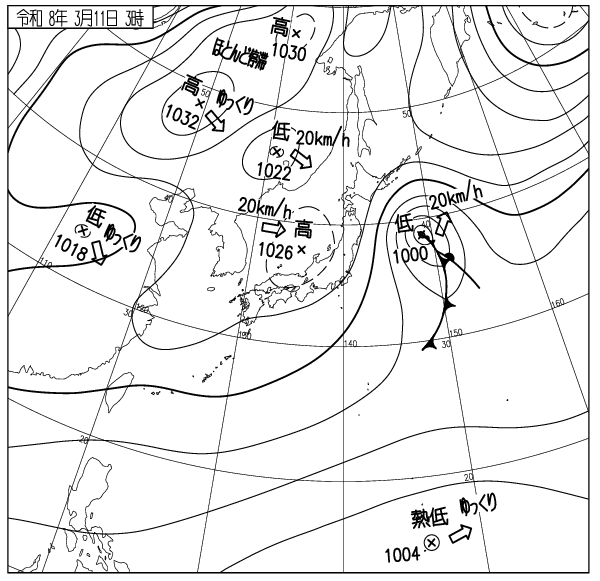
    出典 Source:気象庁 JMA website (www.jma.go.jp/bosai/weather_map/)
  • ニセコ雪崩情報第94号

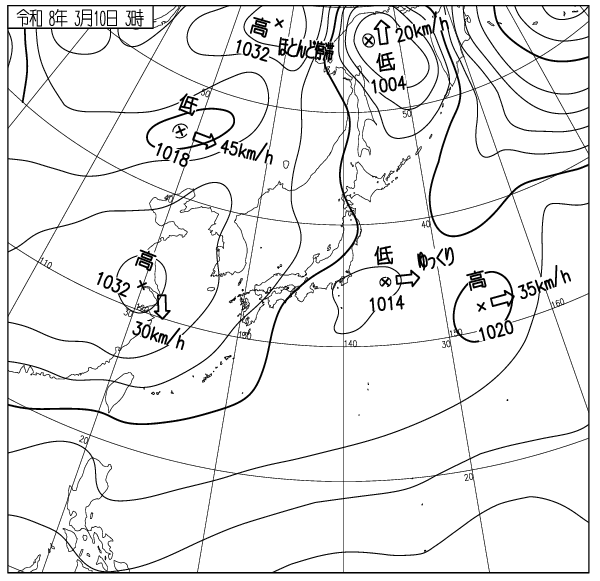
    山麓-5度風よわく降雪3cm モイワ800m-7.5度北2.5m アンヌプリ1100m-10.1度北北西2.1m ビレッジ1000m-8.6度北4.5m ヒラフ花園1000m-9.4度北4.5m 花園800m-7.0度北1.1m 日本海弁慶岬北4m 神威岬風よわく気圧1020hPa 波高不明。

    等圧線の傾きなく海上、山ともに穏やか、未明まで降雪3-5cm、寒気流入。観測とデータの評価、パトロール報告から顕著な雪崩リスクはなく標高1000m以上の2番3番4番5番ゲートは開けられる。パトロールの指示に従うこと。ゲートの外はスキー場ではない。準備してコース外へ出ること。気温の上昇とともに標高800m以下の谷では全層雪崩のリスクが上がっている。特に立ち入り禁止区域春の滝、湯の沢、アンベツ標高700m付近では側壁や崖斜面からの危険が高まっている。水野の沢11番ゲートはそのためすでに閉鎖されている。モイワ6番ゲートはモイワボウル、見返りボウル標高700m付近からの雪崩の危険が高いため閉じられる。客層の変化とともにルールを無視或いは軽視する人が増えている現状ではゲートを閉じざるを得ない。ゲート開閉は毎朝の危険評価をもとに20年にわたって行われている。ゲートはスキー場が地域協議会に申請して設置し、パトロールを配置して管理する。その位置や開閉は行政を含む協議会の基準に基づいて行われており、集客や観光のためのものではない。このスポーツに安全はない。常に用心を。

    Mountain base -5°C, light winds, 3cm snowfall. Moiwa 800m: -7.5°C, N 2.5m/s. Annupuri 1100m: -10.1°C, NNW 2.1m/s. Niseko Village 1000m: -8.6°C, N 4.5m/s. Hirafu Hanazono 1000m: -9.4°C, N 4.5m/s. Hanazono 800m: -7.0°C, N 1.1m/s. Sea of Japan Benkei Cape N 4m/s. Kamui Cape light winds, 1020hPa, wave height unknown.

    The pressure gradient is weak; both sea and mountain are calm. Cold air has flowed in, bringing 3-5cm of snowfall until dawn. Based on observations, data evaluation, and patrol reports, there is no significant avalanche risk. Gates 2, 3, 4, and 5 above 1000m will be opened. Follow the instructions of the ski patrol. Beyond the gates is not a ski resort. Be fully prepared before heading out-of-bounds. As temperatures rise, the risk of full-depth avalanches will increase in valleys below 800m. In particular, danger from sidewalls and cliff faces is high in strictly prohibited areas such as Haru-no-taki, Yunosawa, and Ambetsu around 700m elevation. Gate 11 at Mizuno-no-sawa has already been closed for this reason. Moiwa Gate 6 will be closed due to the high risk of avalanches from the 700m level of Moiwa Bowl and Mikaeri Bowl. With the changing demographic of visitors, there is an increasing number of people who ignore or disregard the rules, leaving us no choice but to close the gates. Gate opening/closing have been conducted for 20 years based on daily risk assessments. Gates are installed by the ski resorts through applications to the local council and are managed by stationed ski patrols. Their locations and opening/closing status are determined by council standards including administrative oversight; they are not for the purpose of attracting customers or tourism. There is no such thing as absolute safety in this sport. Always use caution.

    出典 Source:気象庁 JMA website (www.jma.go.jp/bosai/weather_map/)
  • ニセコ雪崩情報第93号 Niseko Avalanche Info No.93

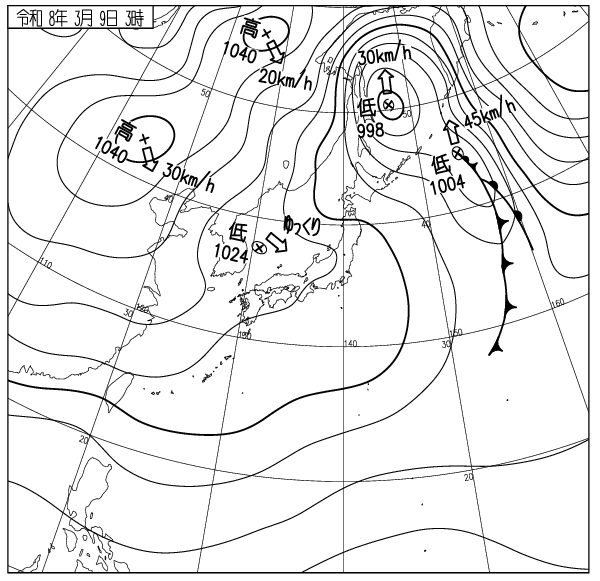
    山麓-5度風弱く降雪10cm モイワ800m-7.5度東0.7m吹きだまり発達終息降雪10cm アンヌプリ1100m-9.7度南西1.2m ビレッジ1000m-8.2度南0.8m ヒラフ花園1000m-9.2度北2.0m 花園800m-6.5度北2.1m 日本海弁慶岬北西9m 神威岬西南西7m気圧1018hPa波高不明、

    等圧線幅ひろく海上、山ともにおだやか、寒気流入。観測と各データの評価、パトロール報告からコース外の雪崩リスクは下がっているが引き続き全層雪崩の危険は高い。全層雪崩は稜線風下側に堆積した厚いふきだまりの融解だけではなく、寒気流入にる収縮でも起こる。コース外の調査を優先するため各山頂ゲートは閉じられる。雪崩には多くの種類がある。5日に起きたような湿雪性の表層雪崩や今日起きるはずの乾いた浅い表層雪崩、そして全層雪崩や氷河雪崩では発生のかたち、速度や規模が全て異なる。条件がそろえば雪崩は起こり、そこに人がいれば事故になる。

    現在国の防災科学研究所が従来の弱層理論とは異なるアプローチでの雪崩発生メカニズムの研究に取り組んでいる。吹雪の中、山に泊まり込んで実験を続ける研究者に敬意を表する。研究は10年近く行われておりニセコはそれに協力している。事故防止に役立つ研究成果が生まれることを願っている。

    Mountain base: -5°C, light wind, 10cm new snow. Moiwa 800m: -7.5°C, E 0.7m/s, development of snowdrifts has ceased, 10cm new snow. Annupuri 1100m: -9.7°C, SW 1.2m/s. Niseko Village 1000m: -8.2°C, S 0.8m/s. Hirafu Hanazono 1000m: -9.2°C, N 2.0m/s. Hanazono 800m: -6.5°C, N 2.1m/s. Sea of Japan Benkei Cape: NW 9m/s. Cape Kamui: WSW 7m/s, pressure 1018hPa, wave height unknown.

    The pressure gradient is wide, the weather is calm both at sea and in the mountains and cold air is flowing in. Based on observations, data evaluation, and patrol reports, the general risk of avalanches outside the ski resort boundaries has decreased; however, the danger of full-depth (glide) avalanches remains high. Full-depth avalanches are triggered not only by the melting of thick snowdrifts deposited on the leeward side of ridges but also by contraction caused by the inflow of cold air. All peak gates will remain closed to prioritize out-of-bounds inspections. There are many types of avalanches. The wet surface avalanche that occurred on the 5th, the dry shallow surface avalanche expected today, full-depth glide avalanches, and glacier avalanches all differ in their formation, speed, and scale. When conditions align, avalanches occur, and if people are present, it becomes an accident.

    Currently, the National Research Institute for Earth Science and Disaster Resilience (NIED) is researching avalanche trigger mechanisms using an approach different from the traditional “weak layer theory.” We respect the researchers who stay overnight in the mountains during blizzards to continue their experiments. This research has been ongoing for nearly ten years, and Niseko continues to cooperate with these efforts. We hope for research results that will contribute to accident prevention.

    出典 Source:気象庁 JMA website (www.jma.go.jp/bosai/weather_map/)
  • ニセコ雪崩情報第92号 Niseko Avalanche Info No.92

    ニセコ雪崩情報 第92号

    Niseko Avalanche Information No.92

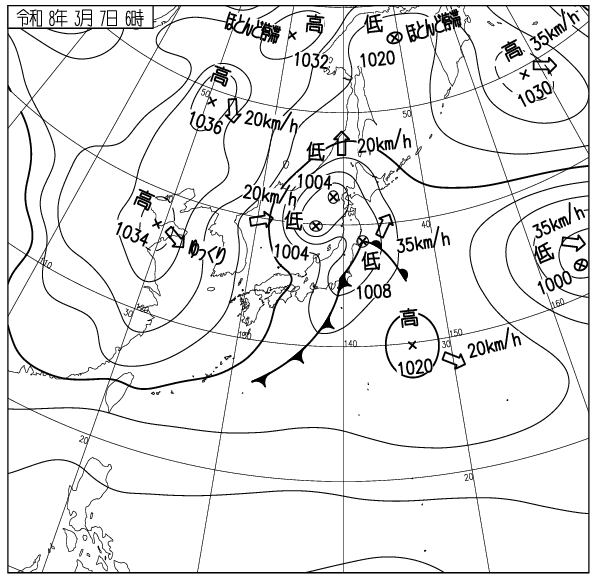
    Sunday 08/03/2026 日曜日

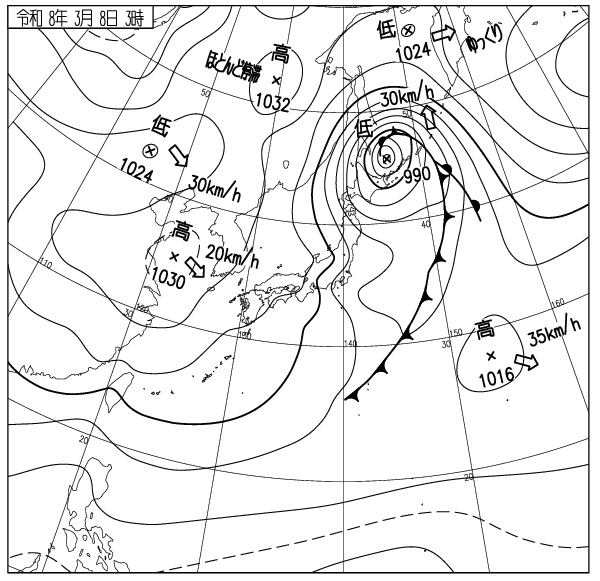
    山麓-1度降雪10cm時折地吹雪 モイワ800m-4.1度北北西13.7m地吹雪ふきだまり発達 アンヌプリ1100m-6.1度北北西6.5m ビレッジ1000m-4.8度北8.3m ヒラフ花園1000m-5.5度北北東11.9m 花園800m-7.6度北7.9m 日本海弁慶岬北15m 神威岬北東8m気圧1010hPa波高不明、

    オホーツク海に移動した989hPaの低気圧西側で標高700m以上は北寄りの風雪、雪の量は少ないが場所により雪庇、ふきだまりが発達、観測と評価から全体の雪崩リスクは高く各山頂ゲートは閉じられる。どの種類の雪崩も危ないが春への移行期は湿った雪のが滑走刺激で流れる重い表層雪崩が出やすい。東尾根雪庇面、モイワボウル急斜面など開けた急斜面の滑走を控えたほうが良い。また雪温の上昇で全層雪崩の危険が高まっている。地表が笹の山頂西側、五色温泉側の斜面では道道に達する大規模な雪崩の危険がある。同様に鉱山の沢側壁、アンヌプリ大沢標高1100m付近からの全層雪崩の危険も今後高まる。AACH(Academic Alpine Club of Hokkaido)の歌にあるように「谷の雪崩が収まり雪解けが進むまで」谷底にいてはならない。このスポーツには知恵が求められる。自然は人を区別しない。ロープをくぐってはならない。

    Moiwa base 6am: -1℃, 10cm new snow, occassional drifting snow. Moiwa 800m: -4.12℃, NNW13.7m/s, snowdrift development. Annupuri 1100m: -6.1℃, NNW6.5m/s. Village 1000m: -4.8℃, N8.3m/s. Hirafu Hanazono 1000m: -5.5℃, NNE11.9m/s. Hanazono 800m: -7.6℃, N7.9m/s. Coastal data: Benkei Cape N15m/s, Kamui Cape NE8m/s, 1010hPa, wave n/a.

    We are to the west of a 989hPa low pressure system in the Sea of ​​Okhotsk. There are northerly winds and snow blowing above 700m. Although the snowfall is light, cornices and snowdrifts are forming in some areas. Observations and assessments indicate a high overall avalanche risk, and all peak gates will be closed. All types of avalanches are dangerous, but the transition to spring is prone to heavy surface avalanches caused by skiers stimulating wet snow. It’s best to avoid skiing on open, steep slopes, like the HigashiOne/East Ridge cornice slope or the steep slopes of Moiwa Bowl. Rising snow temperatures also increase the risk of full-depth avalanches. On the slopes west of the Sasano peak and on the Goshiki Onsen side, there’s a risk of large-scale avalanches reaching the prefectural road. Similarly, the risk of full-depth avalanches from the side walls of Kozan-no-sawa/Back Bowl and Annupuri Osawa, at around 1100m, will likely increase. As the song of the Academic Alpine Club of Hokkaido (AACH) says, “Until the avalanches in the valley subside and the snow melts,” you should not stay at the bottom of the valley. This sport requires wisdom. Nature doesn’t discriminate. Do not duck ropes.

    出典 Source:気象庁 JMA website (www.jma.go.jp/bosai/weather_map/)
    この情報はコース外滑走の安全を保障する物ではありません This information is not to guarantee the safety of out of bounds riding. ニセコルールを守りましょう Please respect the Niseko Rules. レスキューはコース内が優先されます Inbounds rescue will be prioritised. コース外へは自己責任で Step out of bounds at your own risk.

    ニセコ雪崩調査所 Niseko Avalanche Institute

  • ニセコ雪崩情報第91号 Niseko Avalanche Info No.91

    ニセコ雪崩情報 第91号

    Niseko Avalanche Information No.91

    Saturday 07/03/2026 土曜日

    山麓0度低気圧前面降雪朝まで10cm モイワ800m-3.4度南南東5.7m風雪視界不良 アンヌプリ1100m-5.1度東南東9.3m ビレッジ1000m-4.1度南南西5.8m ヒラフ花園-4.9度北14.4m暴風雪 花園800m-2.7度北5.8m 日本海弁慶岬南15m 神威岬東南東6m気圧1010hPa波高不明、

    低気圧の接近で上空は南風強くヒラフ側はリフト運行不可、各山頂ゲートは閉じられる。今後、標高700m以上で重いふきだまりが堆積、午後から明日にかけて面発生表層雪崩のリスクが急激に高まる。標高700m以下の樹林帯内も低気圧降雪及びその後の風成雪のスラブ化(雪板化、ふきだまり)で面発生表層雪崩が起こりやすくなる。ジャパウと呼ばれる風速10m/s前後の弱い吹雪が冬のニセコの特徴であり、毎朝山に15-20-30cmの雪を積もらせて私たちを喜ばせる。このような雪の雪崩リスクはゼロではないが、小さい。しかし風速18m/sを越えると風下側の谷に密度の高い不安定な風成雪スラブが発達し、これが雪崩の原因となる。ゲート開閉は観測とデータの評価をもとに行われている。ニセコはコース外滑走の自由を尊重するが推奨はしない。ゲートの外はスキー場ではない。またゲートが開いていても山が安全なわけではない。ニセコルールの尊重を。

    Moiwa base 6am: -0℃, low pressure front delivered 10cm new snow. Moiwa 800m: -3.4℃, SSE5.7m/s, wind & snow, poor visibility. Annupuri 1100m: -5.1℃, ESE9.3m/s. Village 1000m: -4.1℃, SSW5.8m/s. Hirafu Hanazono 1000m: -4.9℃, N14.4m/s, blizzard. Hanazono 800m: -2.7℃, N5.8m/s. Coastal data: Benkei Cape S15m/s, Kamui Cape ESE6m/s, 1010hPa, wave n/a.

    Due to the approaching low pressure there is strong southerly winds at higher elevations. Lifts on the Hirafu side will be closed, and all peak gates are closed. Heavy snowdrifts are expected to accumulate above 700m, and the risk of surface avalanches will rapidly increase this afternoon through tomorrow. Even in forested areas below 700m, the low-pressure snowfall and subsequent wind-driven snow slab formation (slabs, snowdrifts) will make surface avalanches likely. Niseko’s winters are characterized by weak snowstorms with wind speeds of around 10 m/s, known as japow, which delight us every morning by depositing 15-20-30cm of snow on the mountain. While the avalanche risk from this type of snow is not zero, it is low. However, when wind speeds exceed 18 m/s, dense, unstable wind-driven slabs develop in the leeward valleys, which can cause avalanches. Gate opening and closing is based on observations and data evaluation. Niseko respects the freedom to ski off-piste, but does not encourage it. Outside the gates is not part of the ski resort. Open gates do not guarantee the mountain is safe. Please respect the Niseko Rules.

    出典 Source:気象庁 JMA website (www.jma.go.jp/bosai/weather_map/)

    この情報はコース外滑走の安全を保障する物ではありません This information is not to guarantee the safety of out of bounds riding. ニセコルールを守りましょう Please respect the Niseko Rules. レスキューはコース内が優先されます Inbounds rescue will be prioritised. コース外へは自己責任で Step out of bounds at your own risk.

    ニセコ雪崩調査所 Niseko Avalanche Institute

  • ニセコ雪崩情報第90号 Niseko Avalanche Info No.90

    ニセコ雪崩情報 第90号

    Niseko Avalanche Information No.90

    Friday 06/03/2026 金曜日

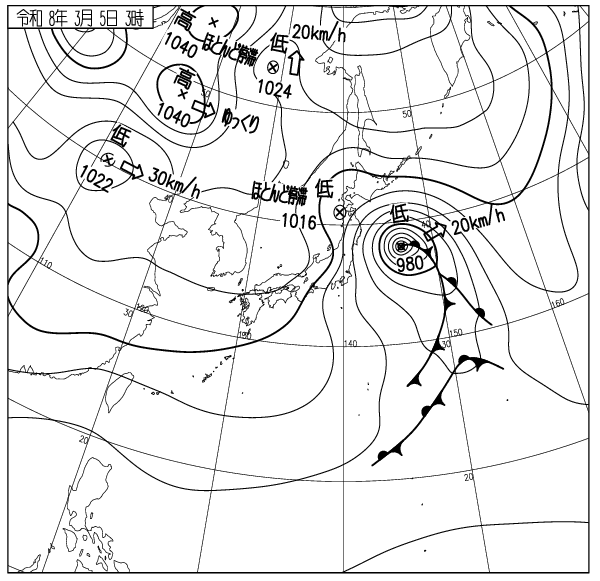
    山麓0度降雪わずか モイワ800m-3.4度北北西2.8m アンヌプリ1100m-5.5度北北西3.0m ビレッジ1000m-4.3度北北西4.6m ヒラフ花園1000m-4.8度北4.9m 花園800m-2.8度北0.5m 日本海弁慶岬北北東8m 神威岬東2m気圧1022hPa波高不明、

    気圧の傾きゆるく海上、山ともに穏やか、顕著な降雪はない。昨日は東尾根で低気圧降雪25cmが広く流れる雪崩が起こっている。今日も同様の状況に注意。低気圧降雪など湿雪の雪崩は重く森の中を広範囲に流れる。標高700m付近の開けた急斜面ではプラス気温で積雪内部が解け始めており全層雪崩が起こる可能性が高まっている。モイワボウルや鉱山の沢、アンヌプリ大沢では注意。全層雪崩は危険だが人がいなければ事故にはならない。各ゲート開閉は未定。ゲート開閉の判断は毎朝の観測と各所に設置されている降雪、気温推移データ、海上保安庁データ、各スキー場パトロールと圧雪オペレーターの意見を参考に行われている。コース外はスキー場ではない。ゲート開閉はコース外の事故防止のために行われている。ニセコルールへの理解を。

    Moiwa base 6am: 0℃, trace new snow. Moiwa 800m: -3.4℃, NNW2.8m/s. Annupuri 1100m: -5.5℃, NNW3.0m/s. Village 1000m: -4.3℃, NNW4.6m/s. Hirafu Hanazono 1000m: -4.8℃, N4.9m/s. Hanazono 800m: -2.8℃, N0.5m/s. Coastal data: Benkei Cape NNE8m/s, Kamui Cape E2m/s, 1022hPa, wave n/a.

    The atmospheric pressure gradient is shallow, the sea and mountains are calm and there has been no significant snowfall. The 25cm of low-pressure snowfall caused an extensive avalanche along the east ridge yesterday. Watch for similar conditions today. Wet snow avalanches, like those caused by low-pressure snowfall, are heavy and spread broadly through the forest.On open, steep slopes around 700m, positive temperatures are beginning to melt the snowpack, increasing the possibility of full-depth avalanches. Be careful in Moiwa Bowl, Kozan no Sawa(Back Bowl) and Annupuri Osawa. Full-depth avalanches are dangerous, but they will not cause accidents if there are no people around. Gate opening times have not yet been decided. Decisions on whether gates are open are made based on morning observations, snowfall and temperature data collected at various mountain locations, Japan Coast Guard data and from ski resort patrol and groomer operator reports. Outside the gates is not part of the ski resort. Gates are opened and closed to prevent accidents off-course. Please understand the Niseko rules.

    出典 Source:気象庁 JMA website (www.jma.go.jp/bosai/weather_map/)
    この情報はコース外滑走の安全を保障する物ではありません This information is not to guarantee the safety of out of bounds riding. ニセコルールを守りましょう Please respect the Niseko Rules. レスキューはコース内が優先されます Inbounds rescue will be prioritised. コース外へは自己責任で Step out of bounds at your own risk.

    ニセコ雪崩調査所 Niseko Avalanche Institute

  • ニセコ雪崩情報第89号 Niseko Avalanche Info No.89

    山麓-1度湿雪降雪15cm モイワ800m-2.0度北北西3.0m 見返り800m-4度北北西0.6m視界良 アンヌプリ1100m-3.9度北北西1.2m アンヌプリ1150m-5度北北西0.6m視界良 ビレッジ1000m-3.1度東北東0.4m ヒラフ花園北北東5.1m視界良 花園800m-1.6度風弱く視界良降雪15cm 日本海弁慶岬風弱く神威岬同じく風弱く気圧1018hPa波高不明、

    気圧の傾きゆるく海上、山ともに静穏、朝まで15cmの湿雪降雪、引き続き暖気流入。40度斜面では最大30cmの雪崩の可能性がある。速度は遅いが谷底に埋められると危険、用心。同様に連絡通路のコース法面やリフト線下も湿った雪崩が出やすいので注意。このところの暖気流入で標高1000m以下でも雪が緩み全層雪崩の危険が高まっている。事故を避けるため谷底にいてはならない。2番3番5番ゲートは開けられる。他のゲートは未定、パトロールの指示に従うこと。ヒラフでは山麓消防と連携して心肺蘇生を含むトレーニングを継続的に行っている。林野庁が認めていないコース外滑走を容認するならパトロール態勢の充実は欠かせない。ニセコルールは過去の事故多発の反省の上に事故防止のためやむを得ず運用されており観光振興のために作られたものではない。ロープやネットを故意に切ってはならない。ニセコルールの尊重を。雪に覆われた森がかなり美しい。

    Mountain base: -1°C, 15cm wet snowfall. Moiwa 800m: -2.0°C, NNW 3.0m/s. Mikaeri 800m: -4°C NNW 0.6m/s, good visibility. Annupuri 1100m: -3.9°C, NNW 1.2m/s. Annupuri 1150m: -5°C, NNW 0.6m/s, good visibility. Niseko Village 1000m: -3.1°C, ENE 0.4m/s. Hirafu Hanazono 1000m: NNE 5.1m/s, good visibility. Hanazono 800m: -1.6°C, light wind, good visibility, 15cm snowfall. Sea of Japan Benkei Cape light wind. Kamui Cape light wind, 1018hPa, wave height unknown.

    The atmospheric pressure gradient is widespread, with calm conditions over both the sea and the mountains. 15cm of wet snow fell till the morning, with continued warm air influx. Avalanches up to 30cm are possible on 40-degree slopes. Though slow-moving, danger exists if buried in valley bottoms; be cautious. Similarly, be alert for wet snow avalanches on-course side-banks of connecting routes and under lift lines. Recent warm air influx has softened snow even below 1000m elevation, increasing the risk of full-depth avalanches. Avoid staying in gully bottoms to prevent accidents. Gates 2, 3, and 5 will be open. Other gates are undecided; follow the patrol’s instructions. Hirafu continues ongoing training, including CPR, in collaboration with the local Sanroku fire department. If out-of-bounds skiing, not approved by the Forestry Agency, is permitted, enhancing patrol resources is essential. The Niseko Rules are implemented out of necessity to prevent accidents, learned from past high accident rates, and were not created for tourism promotion. Do not intentionally cut ropes or nets. Respect the Niseko Rules. The snowy forest is looking quite beautiful.

    出典 Source:気象庁 JMA website (www.jma.go.jp/bosai/weather_map/)
  • ニセコ雪崩情報第88号 Niseko Avalanche Info No.88

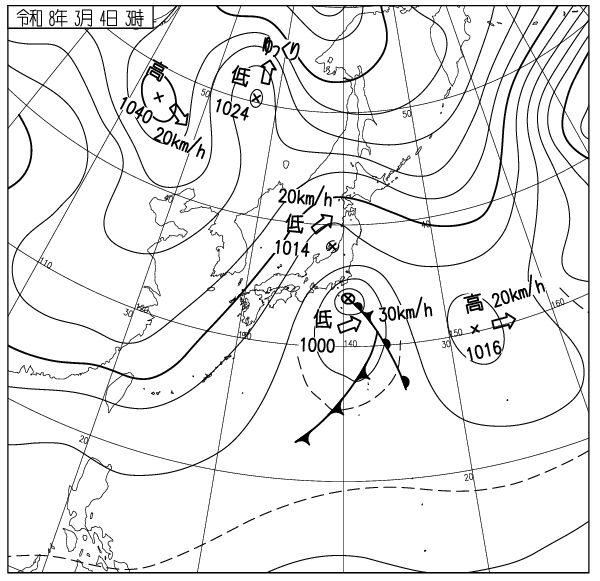
    山麓-2度未明から低気圧降雪2cm モイワ800m-2.8度東南東4.0m アンヌプリ1100m,-5.5度東北東11.1m ビレッジ1000m-4.4度北東5.5m ヒラフ花園1000m-5.2度北2.2m 花園800m-3.5度北1.2m 日本海弁慶岬東南東4m 神威岬東北東4m 気圧1021hPa波高不明、

    標高1000m以上西側で気圧の傾き強く東寄りの強風、今後3月3日旧雪表面に風成雪スラブが発達する見込み、天気は悪天候周期に入っている。各山頂ゲートは利用者の事故防止のため閉じられる。パトロールの指示に従うこと。光線がなく視界が悪い。また雪も硬い。暴走に注意。

    1月7日のヒラフの事故について東京の救急医療専門機関から問い合わせがあった。ヒラフではパトロールが搬送中のアキヤに乗って行う心マッサージが過去にも2度行われている。またモイワでは低体温状態で掘り出された雪崩埋没者をパトロールが人肌で加温しながら搬送し救命したことがある。低温下の救助は一刻を争う。そこでは常に適切な判断が求められる。このスポーツに安全はない。それぞれの用心だけが事故を防ぐ。ニセコルールへの協力を。そしてパトロールへの敬意を。

    Mountain base: -2°C, 2cm low-pressure snowfall since dawn. Moiwa 800m: -2.8°C, ESE 4.0m/s. Annupuri 1100m: -5.5°C, ENE 11.1m/s. Niseko Village 1000m: -4.4°C, NE 5.5m/s. Hirafu Hanazono 1000m: -5.2°C, N 2.2m/s. Hanazono 800m: -3.5°C, N 1.2m/s. Sea of Japan Benkei Cape ESE 4m/s. Kamui Cape ENE 4m/s, 1021hPa, wave height unknown.

    The pressure gradient is strong on the western side above 1000m, bringing strong easterly winds. Wind-slab development is expected on top of the old March 3rd surface, and the weather has entered a stormy cycle. Major summit gates will remain closed to prevent accidents. Follow the instructions of the ski patrol. The lighting is flat and visibility is poor. The snow is also firm; beware of losing control. 

    An inquiry was received from an emergency medical institution in Tokyo regarding the accident at Hirafu on January 7th. In Hirafu, there have been two past instances where patrols performed CPR while riding on a sled during transport. At Moiwa, patrols once saved an avalanche victim pulled out in a hypothermic state by warming them with their own body heat during transport. Rescue under low temperatures is a race against time. Constant, appropriate judgment is required. There is no such thing as absolute safety in this sport. Only individual caution can prevent accidents. We ask for your cooperation with the Niseko Rules—and for your respect toward the ski patrol.

    出典 Source:気象庁 JMA website (www.jma.go.jp/bosai/weather_map/)

  • ニセコ雪崩情報第87号 Niseko Avalanche Info No.87

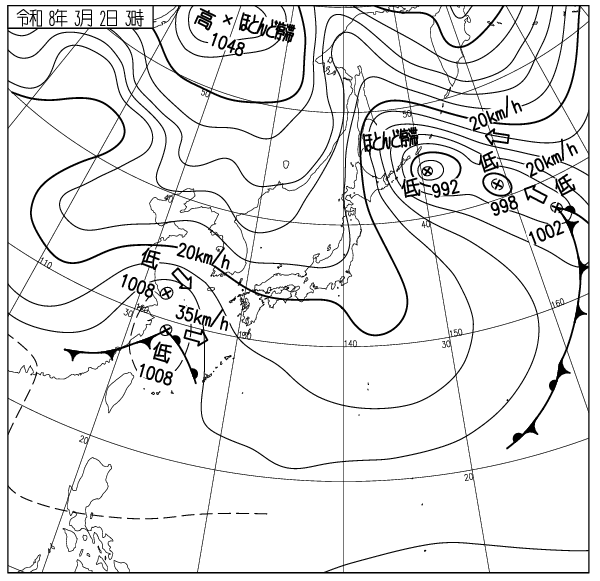
    山麓-3度降雪なし モイワ800m-6.2度北北東6.8m降雪なし アンヌプリ1100m-8.4度北北東8.4m瞬間2時18m/s ビレッジ1000m-7.3度北北東18.0m ヒラフ花園-7.9度北14.0m 花園800m-5.5度北7.1m 日本海弁慶岬東北東10m 神威岬東北東3m気圧1028hPa波高不明、

    標高1000m以上は大陸の高気圧からの北寄りの強風、濃霧視界不良。スキー場利用者の事故防止のため主な山頂ゲートは閉じられる。パトロールの指示に従うこと。今日も雪が緩むまでコース外の状況は悪い。朝のゲレンデは堅い。暴走衝突、滑落に注意。春にかけて全層雪崩の危険が高まっている。全層雪崩は表層雪崩と異なり亀裂等で予測できるとされているが、亀裂発生と同時に起こる場合がある。過去50年に3度起きた大沢やバックボウルの巨大雪崩は夜間から未明の凍結時に起こっている。標高1100m付近の稜線直下から起こるこれらの雪崩の破壊力は大きく森を倒し地形を削って長距離を標高500m付近まで流れる。毎度書いていて恐縮だが谷底の滑走はしないほうが良い。雪崩は自然現象だが人がいなければ事故は起きない。

    Mountain base: -3°C, no snowfall. Moiwa 800m: -6.2°C, NNE 6.8m/s, no snowfall. Annupuri 1100m: -8.4°C, NNE 8.4m/s (18m/s gusts at 2:00 AM). Niseko Village 1000m: -7.3°C, NNE 18.0m/s. Hirafu Hanazono: -7.9°C, N 14.0m/s. Hanazono 800m: -5.5°C, N 7.1m/s. Sea of Japan Benkei Cape ENE 10m/s. Kamui Cape ENE 3m/s, 1028hPa, wave height unknown,

    Strong northerly winds from a continental high-pressure system are blowing above 1000m, along with dense fog and poor visibility. Most summit gates will be kept closed to prevent accidents for resort users. Follow the instructions of the ski patrol. Conditions out-of-bounds remain poor today until the snow softens. Groomed runs are firm this morning. Beware of out-of-control collisions and slip drops. The risk of full-depth avalanches is increasing as we approach Spring. Unlike surface avalanches, full-depth avalanches are said to be predictable by cracks, but they can also occur the moment a crack forms. The massive avalanches in Osawa and Backbowl, which have occurred three times in the last 50 years, took place during the freeze from night to dawn. These avalanches, originating from just below the ridgeline at 1100m, possess immense destructive power— taking down forests, scouring the terrain, and traveling long distances down to 500m elevation. We apologize for repeating this every time, but it is best not to ski in the gully bottoms. Avalanches are natural phenomena; no accidents can occur if nobody is in its path.

    出典 Source:気象庁 JMA website (www.jma.go.jp/bosai/weather_map/)
  • ニセコ雪崩情報第86号 Niseko Avalanche Info No.86

    山麓-6度降雪なし快晴 モイワ800m-7.8度北6.4m アンヌプリ1100m-10.6度北4.2m ビレッジ1000m-9.2度北北東3.6m ヒラフ花園1000m-10.2度北10.8m 花園800m-7.2度北5.0m 日本海弁慶岬北7m 神威岬東北東2m気圧1026hPa波高1.2m、

    等圧線幅ひろく海上、山ともにおだやか、雪雲はなく寒気流入。各山頂ゲートは開けられる。パトロールの意見を聞くこと。ゲートの外はスキー場ではない。有名なニセコのパウダーは今日はない。ゲレンデは凍結して場所によりジャガイモ畑のようになっているところがある。暴走衝突に注意。ヘルメットを被ったほうが良い。標高500m以下のコース法面では亀裂からの雪崩が起こりやすい。また標高1100m付近の南東急斜面はハードスラブの破壊による魔法の絨毯型雪崩が起きやすい。谷底は雪崩通路となる。時期を問わず谷底を滑ってはならない。ガリー状の谷は側壁からの雪崩の危険が常にある。間隔を開けて滑ったほうか良い。ビーコンを持つこと、あれば生存救出の可能性を高める。スキーや登山は良いスポーツだが危険は常にある。用心を。

    Mountain base: -6°C, no snowfall, clear sky. Moiwa 800m: -7.8°C, N 6.4m/s. Annupuri 1100m: -10.6°C, N 4.2m/s. Niseko Village: 1000m -9.2°C, NNE 3.6m/s. Hirafu Hanazono 1000m: -10.2°C, N 10.8m/s. Hanazono 800m: -7.2°C, N 5.0m/s. Sea of Japan Benkei Cape N 7m/s. Kamui Cape ENE 2m/s, 1026hPa, 1.2m waves,

    Isobaric spacing is wide; both sea and mountain are calm. No snow clouds but cold air is flowing in. All summit gates will open. Seek advice from the patrollers. Beyond the gates is not a ski resort. Niseko’s famous powder is not here today. The groomed runs are frozen and, in some places, like a “potato field” (rough and chunky). Beware of out-of-control collisions. It is better to wear a helmet today. On-course side-banks below 500m are likely to crack and slide. Also, on steep southeast slopes around 1100m, “magic carpet” type avalanches caused by hard-slab failure are prone to happening. Gully bottoms are as avalanche paths; do not ski in the bottom of gullies regardless of the season. In gully-like valleys, there is a constant risk of avalanches from the sidewalls. It is better to ski with wide intervals between people. Carry a beacon; if you have one, it increases the chances of a live rescue. Skiing and mountaineering are great sports, but are also inherently dangerous activities. Please be careful.

    出典 Source:気象庁 JMA website (www.jma.go.jp/bosai/weather_map/)